



Introduction
Off-grid power systems are increasingly popular across the UK – whether used for rural homes, remote outbuildings, workshops, cabins or even agricultural sites. Solar energy provides a clean, low-maintenance solution, but it also presents a familiar challenge: maintaining consistent charging and storage performance through the dark, cold winter months.
As daylight hours shorten and the weather turns grey, solar generation can fall dramatically. However, with a few practical adjustments and the right equipment, you can keep your off-grid system performing efficiently all winter long. This guide explains how to optimise solar charging and battery performance during low-light conditions in a typical UK winter.
Back To Top
Understanding the Winter Solar Challenge
In the UK, solar availability can drop by 60% or more compared with summer months. During December and January, daylight hours average around seven to eight per day, and the sun sits much lower in the sky. The result: reduced irradiance and lower panel output, even when your system is functioning perfectly.
Regional variation also plays a part – installations in northern England and Scotland experience shorter days and less direct sunlight than those in southern regions. The goal isn’t to eliminate losses entirely, but to maximise what energy is available and use it as efficiently as possible.
Back To TopImprove Solar Panel Efficiency in Low-Light
Adjust Tilt and Orientation
During summer, solar panels in the UK typically sit at an angle between 30–40°. In winter, the sun travels much lower across the horizon, so increasing your tilt angle to around 55–65° helps panels capture more direct light.
If your array is fixed, a simple seasonal tilt adjustment (where mounts allow) can yield a noticeable increase in daily energy capture. For static ground-mounted systems or cabins, consider adjustable or manually pivoting frames for seasonal optimisation.
Keep Panels Clean and Clear
Even light coatings of dust, leaf litter, or frost can significantly reduce energy yield. Regular cleaning during winter is essential – especially if your panels are near trees or in exposed rural areas.
Snow is less common in most of the UK, but even a thin layer can block sunlight. A quick brush-off or rinse can restore performance almost immediately.
Upgrade to MPPT Charge Controllers
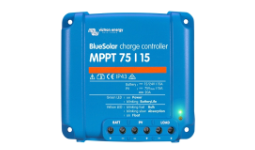
A Maximum Power Point Tracking (MPPT) controller is one of the most effective upgrades for winter conditions.
Unlike traditional PWM controllers, MPPT technology constantly adjusts the voltage and current from your panels to extract the maximum available power – particularly useful during overcast or fluctuating light. In winter, this can translate into 10–30% more usable energy.
We offer a range of both PWM and MPPT solar charge controllers from Xplorer and Victron – just get in touch with our team if you have any questions about upgrading your system.
Back To Top
Maintain Battery Health in Cold Temperatures
Temperature and Battery Chemistry
Battery performance is highly temperature-dependent. At near-freezing conditions, lead-acid and AGM batteries can lose 20–30% of their effective capacity because chemical reactions slow down.
Lithium batteries (LiFePO₄) perform better at lower temperatures, retaining efficiency, but they should not be charged below 0 °C unless the system includes a built-in heater or battery management protection.
Insulation and Placement
If your batteries are installed in an outdoor building or cabinet, insulation is key. Use a weather-resistant but breathable enclosure, ideally positioned away from direct frost or moisture.
For lead-acid systems, ensure adequate ventilation to disperse gases, while lithium batteries benefit from stable, enclosed temperatures. Positioning batteries indoors or in a utility area can dramatically improve efficiency and longevity.
Avoid Deep Discharge
Depth of Discharge (DoD) is one of the biggest factors in overall battery lifespan.
For lead-acid or AGM systems, avoid discharging below 50% where possible. Lithium systems can safely go to 80–90%, but moderate cycling still extends lifespan.
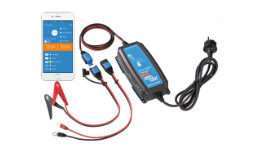
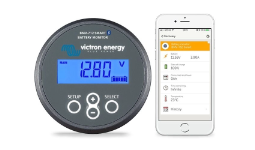
Using a battery monitor or smart BMS gives you real-time visibility on voltage and charge status – essential during long, cloudy periods.
Back To TopBalance Energy Supply and Demand
Even with optimal setup, winter generation will be limited – so managing your consumption is just as important as improving generation.
Prioritise Essential Loads
Schedule high-demand appliances (power tools, pumps, heating) for midday when panels produce the most energy.
Reduce Standby Drain
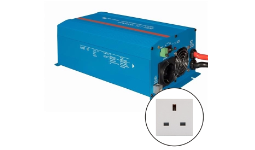
Devices like inverters and routers consume energy even when idle. Turn them off overnight or use smart relays to schedule when they’re available for use.
Upgrade Lighting
You know this already, but LED bulbs or low-wattage lamps can save dozens of amp-hours daily and pricing isn’t the issue it once was.
Tracking consumption patterns helps you understand where power is being lost. Many solar controllers now include energy logging – a valuable tool for fine-tuning performance.
Back To Top
Supplement Solar Power During Dark Weeks
Hybrid Charging Options
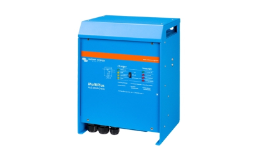
When sunlight is consistently low, pairing your solar array with a generator or mains charger can keep your system topped up. For automatic reliability, some inverter-chargers include auto-start generator functions triggered when voltage drops.
Battery Expansion
Adding additional capacity can help reduce cycling depth and extend autonomy during low-generation days. Even an extra 100–200Ah can provide vital buffer energy in rural off-grid setups.
Complementary Energy Sources
Where conditions allow, consider hybrid generation – such as small wind turbines or micro-hydro systems. Wind is often stronger in winter, balancing solar’s seasonal weakness.
Back To TopSelect the Right Battery Type for Winter Reliability
Choosing the right storage technology can make all the difference to off-grid reliability through cold, dark months.
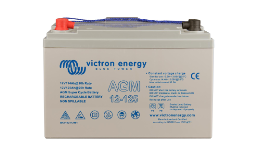
AGM Deep-Cycle
Positives: Durable, sealed, maintenance-free
Negatives: Reduced capacity in very cold conditions but excellent resilience
Gel
Positives: Stable discharge characteristics
Negatives: Slower charging, best for moderate climates
Lithium (LiFePO₄)
Positives: High efficiency, long life, lightweight
Negatives: Needs temperature protection or integrated heater
For systems expected to operate year-round, AGM or lithium are usually best suited. AGM remains cost-effective and reliable, while lithium offers higher performance where temperature management is possible. We offer a huge range of leisure batteries with different construction types suitable for solar setups – just get in touch if you need any advice regarding your system.
Back To Top
Winter Maintenance Checklist
Keeping your off-grid power system reliable through the colder months often comes down to routine care:
- Inspect panels weekly for debris, frost, or damage
- Check terminals and cabling for corrosion
- Keep batteries insulated and dry
- Monitor charge levels and performance data
- Test backup chargers or generators monthly
Simple, consistent maintenance ensures every watt of solar energy is stored and used efficiently.
Back To TopReliable Power, Year-Round
Winter doesn’t have to mean running out of energy. By optimising panel angle, maintaining batteries at healthy temperatures and using smart charging control, you can ensure your off-grid power system stays dependable right through the UK winter.
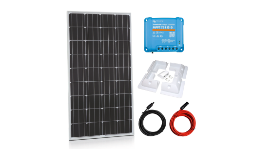
A well-planned system – supported by quality components and regular checks – will keep lights on, tools running, and batteries healthy for years to come. Explore our full range of pre-designed Solar Panel Kits & Off-Grid Energy Kits to find reliable solutions built for year-round performance, and as always – if you have any questions – just ask!
Back To Top