
Whether you’re powering a caravan, campervan, or boat, your leisure battery is at the heart of your adventures. But over time, you might notice that your battery doesn’t hold its charge like it used to. Why does this happen, and is there anything you can do about it? Let’s break it down.
What Does “Loss of Capacity” Mean?
Battery capacity is the amount of energy your battery can store and deliver. When a leisure battery is new, it can provide its full rated capacity (for example, 100Ah). As it ages, that number drops—so you get less power for your appliances, lights, and gadgets.
Why Do Leisure Batteries Lose Capacity?
- Sulfation (The Silent Battery Killer)
- When a battery is left partially charged or sits unused, lead sulfate crystals form on the plates inside. This “sulfation” makes it harder for the battery to accept and hold a charge, permanently reducing capacity.
- Deep Discharges
- Draining your battery too low (below 50% for most leisure batteries) damages the internal plates. Repeated deep discharges speed up wear and reduce the battery’s lifespan.
- Overcharging
- Charging a battery with too high a voltage or leaving it on charge for too long can cause overheating, water loss (in flooded batteries), and plate damage—all leading to reduced capacity.
- High Temperatures
- Heat accelerates chemical reactions inside the battery, which can cause the plates to corrode and the electrolyte to evaporate. This is especially important if you store your caravan or boat in a hot location.
- Old Age
- Even with perfect care, all batteries have a limited number of charge/discharge cycles. Over time, the active material inside the battery simply wears out.
- Wrong Battery charger
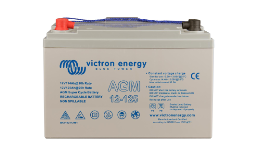
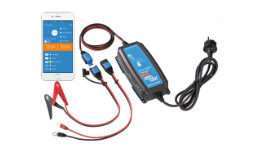
- Make sure you have a charger that matches the excat battery you have. Not all 12v Batteries charge the same. AGM, GEL, WET and Lithium all require specific charging modes to match the technology of battery, Having enough charging amps is also crucial. As a rule of thumb, your charger have at least 10% charging amps to battery capacity. So, a 100ah battery should have at least 10A of charging current.
How Can You Slow Down Capacity Loss?
- Keep It Charged: Don’t let your battery sit flat or partially charged for long periods. Use a smart charger or solar panel to keep it topped up during storage.
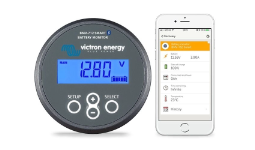
- Avoid Deep Discharges: Try not to run your battery below 50% capacity. If possible, use a battery monitor to keep an eye on your charge levels.
- Use the Right Charger: Make sure your charger matches your battery type (AGM, Gel, Lithium, etc.) and has a proper float mode to prevent overcharging.
- Store in a Cool, Dry Place: If you’re not using your battery for a while, keep it somewhere cool and dry.
- Regular Maintenance: For traditional lead-acid batteries, check electrolyte levels and top up with distilled water if needed.
When talking about leisure batteries, you’ll often hear the term “cycle life.” But what does it mean?
A cycle is one complete discharge and recharge of your battery. The cycle life is the number of times a battery can go through this process before its capacity drops to a certain percentage of its original value (usually around 50%). For example, if a battery is rated for 500 cycles, you can discharge and recharge it 500 times by 50% before it starts to noticeably lose performance.
Different battery types have different cycle lives:
- Standard Wet Lead Acid Batteries: 70–200 cycles
- AGM/Gel Batteries: 300–1500 cycles
- Lithium Batteries: 2,000+ cycles
How you use your battery affects its cycle life:
- Shallow discharges (using only a small portion of the battery’s capacity before recharging) can dramatically increase the number of cycles.
- Deep discharges (draining the battery almost completely each time) will reduce the total cycle life.
- Keeping your battery well-maintained and avoiding extreme temperatures also helps you get the most cycles possible.
Why does cycle life matter?
A battery with a longer cycle life will last you more seasons and more adventures, saving you money and hassle in the long run. That’s why it’s important to choose the right type of battery for your needs—and to look after it!
When Is It Time for a New Battery?
If your battery can no longer power your essentials for as long as it used to—even after a full charge—it’s likely time for a replacement. Most leisure batteries last between 3–6 years, depending on use and maintenance.
Need Advice?
If you’re unsure about the health of your leisure battery or want tips on getting the most from your setup, our team at Alpha Batteries is here to help. Give us a call, drop us an email, or pop in for a chat—we love helping you stay powered up for your next adventure!