


Introduction
Autumn is one of the most rewarding seasons for a campervan escape. The crowds of summer have thinned, the roads are quieter and nature puts on a spectacular display of colour. Crisp mornings and early sunsets create a cosy atmosphere, whether you’re parked beside a forest or overlooking a windswept coastline.
But autumn also brings new challenges for vanlife – shorter days, colder nights and less predictable weather. In this guide, we’ll explore how to prepare for autumn off-grid adventures, from managing campervan power with leisure batteries, solar and DC/DC chargers to packing smart, staying warm and planning trips that make the most of the season.
Back To Top
Why Autumn is Perfect for Campervan Adventures
If you thought your travel was done for the year, think again! Autumn is one of the most underrated times of year for exploring the UK in a campervan. Summer may get the spotlight, but autumn has a unique charm: the air feels fresher, landscapes transform into shades of gold and red and the hustle of peak tourist season gives way to quiet roads and peaceful campsites.
Just think about…
The scenic landscapes: Forest drives, coastal walks and mountain passes all look different as the leaves change colour.
The ideal activity weather: Cooler days make hiking, cycling or exploring cities more enjoyable than in the summer heat.
The unique vibes: Early sunsets mean cosy evenings by lantern light, the sound of rain on the roof and stargazing opportunities on clear nights.
The increased availability: Popular stopovers are easier to book and wild camping spots less crowded.
Ok so you’re sold – but with the perks come challenges. Shorter daylight hours, increased energy needs and unpredictable weather all affect how you use and manage your campervan. Preparing properly means you can enjoy the best of the season without the headaches.
Back To Top
Powering Your Campervan in Autumn
In summer, solar panels and long days often give you all the energy you need, despite not really needing a great deal of it in the first place. By contrast, autumn means an increase in your requirements – running lights earlier, powering heaters and often staying inside longer – whilst your window for generating energy shrinks. Without some forward planning, your battery could run low quickly, so let’s look at the main areas to focus on:
Leisure Batteries: Your Power Reserve
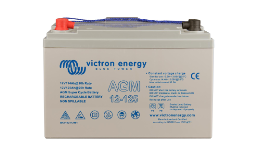
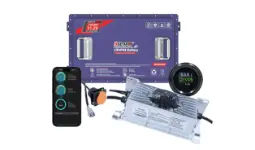
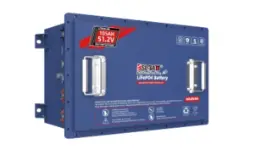
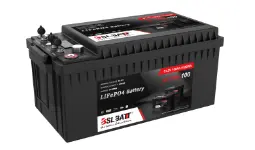
Unless you’re starting from scratch, you already know that leisure batteries are the heart of off-grid living, storing energy for all your essentials – from lighting and fridges to device charging – so reliability is crucial.
Check the condition of your battery: A tired battery that just about got you through summer could struggle in autumn – test it properly before heading off.
Choose the right battery size: If you often stay parked for two or three days, consider whether your current amp-hour capacity is enough. A higher-capacity battery or adding a second one can prevent power anxiety. We have a little calculator over on our Leisure Battery Buying Guide that can help you to work this out!
Be mindful of battery discharge limits: Lead-acid and AGM models shouldn’t be drained too low – typically no more than 50% of their total capacity. Lithium batteries allow deeper discharge and recharge faster, but they also cost more. Consider your needs and whether you need to update your battery platform.
If you’re at all unsure about the reliability of your current battery setup, check in with us for some advice before you head out! You can explore the different types and capacities we have available in our Leisure Batteries and Lithium Leisure Batteries categories.
Solar Panels: Making the Most of Shorter Days
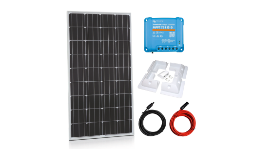
Solar panels are still useful in autumn – but you just need to be realistic and adjust your expectations a little. By planning ahead (there’s a theme developing here…) you can maximise your solar energy returns!
Angle and positioning: With the sun sitting lower, flat panels naturally capture less light as fewer photons strike the panel surface. If you have tiltable panels, adjust them towards the sun for better performance – if you don’t, consider adding this to your build list.
Keep them clean: Autumn leaves, rain streaks and dirt quickly reduce efficiency. You might be surprised, but wiping them down regularly pays off.
Balance output with demand: For example, a 200W panel that gave you near-full output in July may only produce 30–50% in October. Factor this into your daily usage and consider if you need to make adjustments to your off-season setup.
If you’re planning upgrades, our Solar Panel Kits and Solar Accessories sections are a good place to start learning about your product options.
DC/DC Chargers: Reliable Backup on the Move
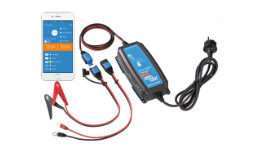
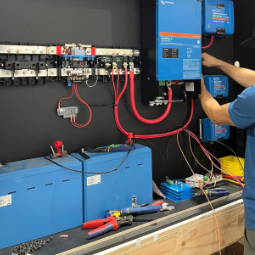
A DC/DC charger (also called a B2B – battery to battery – charger) connects your starter battery / alternator to your leisure battery. In autumn, this is one of the most effective ways to stay topped up.
Charging available on demand: You don’t have to be driving around to charge your batteries – even if you’re stationary, just keeping the engine running will provide enough power for the DC/DC to operate.
Helps bridge the gap on grey days: When solar can’t keep up, DC/DC charging is there to ensure your fridge, lights and heating keep running.
Supports multiple battery types: Many models handle AGM, gel and lithium batteries, which helps if you’re planning future upgrades.
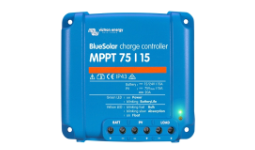
Check out the latest products we have available in DC/DC Chargers – including units that combine DC/DC charging with solar MPPT control in one device. There’s some quite technical gear in here – so if you’ve any questions just ask!
Back To Top
Smarter Planning for Autumn Trips
Whilst power is what we specialise in, we know that it’s just one part of the puzzle – the change in season also needs you to think about how you plan other key aspects of your exploration too!
Travel
Whether you’re adventuring or taking a more relaxing approach, don’t complicate your travel with the weather turning and the nights closing in.
Arrive in daylight: With earlier sunsets, aim to reach your stopover before dark. This makes setting up easier, especially on muddy or uneven ground.
Adjust your rhythm: Many vanlifers swap late-night driving for earlier mornings to make the most of daylight hours, it might be a new one for you, but give it a go!
Build in flexibility: The weather can change quickly – having a backup plan, such as a nearby campsite with hook-up, takes away the stress of trying to find a solution when wild-camping becomes a little too ‘wild’.
In short, if you’re touring the Lake District in October, plan shorter drives between locations, keep a campsite in mind if heavy rain sets in and expect solar energy to contribute less when parked in shaded areas. Speaking of which – check out Autumn in the Lake District by Cumbria Tourism for ideas on what to do and where to go!
Staying Comfortable and Warm
Comfort is what turns autumn road trips from “bearable” to “brilliant” so don’t ignore the basics.
Insulation for the van and you: Thermal window covers help retain warmth and reduce condensation, even DIY reflective panels can make a difference. Let’s not forget that warm clothing, socks and blankets reduce how much you need to rely on your heating source at a time when supply of energy (especially electrical) is relatively low. Plus autumn weather and blankets are just a match made in heaven!
Check heating systems: Regardless of the power source for your heating, test it before your first trip, it’ll have likely gone unused most of the summer months and you don’t want to find out it’s not working when you’ve already left – that’s one way to end a trip early.
Think about comfort food: Soups, stews and hot drinks are easy to prepare and warm you from the inside. A thermos is invaluable for keeping drinks hot while hiking or exploring. The BBC Food website has an autumn recipes section for inspiration – don’t underestimate the power of food in bringing the best out of an autumn adventure!
Packing Essentials for Autumn Vanlife
Alongside your usual kit, think about a few seasonal extras that might just make life a little easier:
- Waterproof boots and jackets for muddy fields and wet hikes.
- Headtorch or lantern for early nights.
- Traction mats or other grip aids in case of slippery pitches.
- Spare bulbs, fuses, cables and connectors for your core systems.
- Portable power banks for topping up phones or tablets.
- Thermal mugs and flasks to keep drinks hot on the go.
Final Thoughts
Autumn is a beautiful season for travel in the UK, but one that rewards preparation. With shorter days and colder nights, your power system, planning and comfort gear all play a bigger role.
By combining leisure batteries for storage, solar panels for daytime charging and a DC/DC charger for reliability on the move, you can create a balanced setup that supports longer, more flexible adventures.
The key is balance: manage your power wisely, stay comfortable and enjoy the unique atmosphere of the season. Do that, and you might just discover that autumn is your favorite time of the year.
Back To Top