

Introduction
Every winter, thousands of UK drivers discover their car won’t start on the coldest morning of the year. It’s one of the most common seasonal causes of breakdowns, and most of the time, the battery is to blame.
This isn’t just bad luck – cold weather has a measurable impact on how effectively a car battery can deliver power. Understanding the reasons behind winter battery problems can help drivers take simple steps to avoid failures and keep their vehicles reliable through the colder months.
Back To TopHow Cold Weather Reduces Battery Performance
Car batteries rely on chemical reactions to generate power. As temperatures drop, these reactions slow down, reducing the battery’s ability to deliver the high current needed to crank an engine.
This is why manufacturers rate batteries using Cold Cranking Amps (CCA) – a measure of how much current a battery can produce at -18°C. The colder it gets, the harder the battery must work to deliver the same output. Check out our Battery Terminology guide for information on CCA and other key terms.
In practical terms, cold weather can significantly reduce available power. Even a healthy battery may produce noticeably less cranking energy on a frosty morning, especially after a night of low temperatures compounds the problem.
Back To TopWhy Engines Are Harder to Start in Winter
While the battery is producing less power, winter conditions also mean the engine itself demands more power to start.
Two main factors play a role:
Thicker Engine Oil
Cold temperatures increase oil viscosity, meaning the oil becomes thicker and flows more slowly around the engine. This reduces lubrication on initial turnover and creates extra resistance on internal components, so the starter motor has to work harder to rotate the engine. As a result, it draws more current from the battery at the exact time the battery is producing less power.
Increased Internal Resistance
Beyond the effect on oil, cold temperatures also cause metal components to contract slightly. Clearances tighten, friction increases, and moving parts like the crankshaft and bearings don’t spin as freely until the engine warms. This additional mechanical drag forces the starter motor to use even more current to get the engine turning.
The result? The starter motor pulls more current, but the battery has less current to give – exactly the combination that leads to sluggish cranking or complete failure.
Back To TopHow Winter Driving Habits Strain Your Battery
Winter conditions don’t just make your battery work harder during starting – they also make it much harder for the battery to recharge.
Short Trips
One of the biggest issues is the increase in short journeys during colder months. Short trips don’t give the alternator enough time to replace the energy used to crank the engine, so the battery gradually becomes undercharged.
Stop-Start Traffic
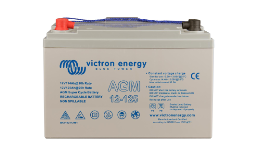
Stop-start traffic, which is common on darker winter commutes, makes the problem worse. Alternators produce far less output at idle, so even with the engine running, the battery may receive very little charge. If the car has stop-start technology, repeated engine restarts can drain even more energy; and whilst the EFB or AGM batteries fitted to these vehicles are designed to cope with this increased cycling far better than standard lead acid batteries, it doesn’t make them immune to winter conditions.
Electrical Demands
Whilst the opportunity for recharging is decreased, winter driving also demands significantly more from the electrical system. Headlights, heated windscreens, wipers, heaters (and heated seats!) all draw substantial current. When these systems are running, they’re consuming power at a time when the battery system is least suited to provide it.
Parasitic Drains
Cold temperatures also highlight parasitic drains – those small, constant draws from alarms, trackers or ECUs. You might not notice these drains during the summer, but when winter hits they can reduce a weak or partially charged battery overnight.
Together, these changes in winter driving habits and increase in electrical demands create a perfect storm: the battery is working harder, when it’s less efficient, while receiving less charge, making winter the most challenging time of year for car batteries.
Back To TopOlder or Weak Batteries Fail First
Age is the single biggest factor in winter battery failure. You’ll see car battery warranties range between 2-6 years and that’s reflected in the anticipated operating life – depending on usage and charging behaviour.
As they age, their ability to hold and deliver charge declines and winter exposes weaknesses that might not be noticeable during warmer months. Symptoms of an ageing or weakening battery include:
- Slow or laboured cranking
- Dimming headlights when starting
- Electrical issues or warning lights
- Intermittent starting problems
- Clicking noises from the starter relay
If a battery is already nearing the end of its life, cold weather can push it past the point of reliability.
Back To TopHow to Protect Your Car Battery in Cold Weather
Whilst there’s no magic solution for an old battery, a few simple maintenance steps can significantly reduce the risk of winter battery failure:
Check Your Battery Terminals
Battery terminals play a larger role than you’d think, and even a healthy battery can struggle if the connections are poor. Corrosion, dirt or loose clamps can restrict the flow of current between the battery and the vehicle’s electrical system, leading to slow cranking, warning lights or intermittent starting issues – so look for white or greenish deposits, clean the terminals if any buildup is present and ensure both clamps are firmly tightened.
Use a Smart Battery Charger or Maintainer
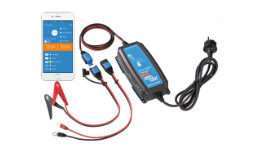
Modern smart chargers are one of the most effective ways to prolong battery life, particularly for cars used infrequently or mainly on short journeys. These chargers monitor the battery’s state of charge and apply the correct amount of current to maintain it at an optimal level without overcharging, and as a bonus many also include desulfation modes that help recover some lost capacity in aging batteries. Our range of car battery chargers from BYGD are perfect for this task!
Turn Off High-Draw Accessories Before Starting
Starting the engine is when the battery is placed under the most stress, so minimising electrical load at that moment makes a noticeable difference. High-draw accessories – basically anything involved in heating – should be switched off before the engine is switched off and left off during the next start. It’s a small habit that helps the battery focus on the single most demanding task it faces – getting the engine running – then you can crank up the heated seats!
Back To TopWhen Replacement Is the Best Option
If a battery is more than a few years old and begins to show repeated signs of struggling in cold weather, replacement often becomes the most reliable long-term solution. Winter has a way of exposing underlying weakness and a battery that copes in summer can suddenly fail once temperatures drop.
It’s important that you select the right product too! A charging system designed for a traditional lead acid battery won’t necessarily play nicely with more modern construction types, equally vehicles with stop-start systems typically require EFB or AGM batteries to avoid a range of issues, from premature wear to dashboard warnings and issues with the charging system.
If you’re unsure which type or size of battery your vehicle requires, using our Car Battery Finder tool is the simplest way to get it right. By entering your registration or vehicle details, you can see compatible batteries that meet the correct specification for your car, van, or even commercial vehicle.
Back To TopConclusion
Car batteries fail more often in winter because low temperatures reduce their performance at the exact moment engines, accessories and driving conditions demand more power. While cold weather can expose underlying issues, most winter battery problems are avoidable with good maintenance, proper charging and timely replacement.
By understanding the challenges and taking proactive steps, drivers can significantly improve the reliability of their car battery and avoid the frustration of a non-starting car on the coldest morning of the year.
Back To Top